
The Golden Ball: A History of the Ballon d'Or
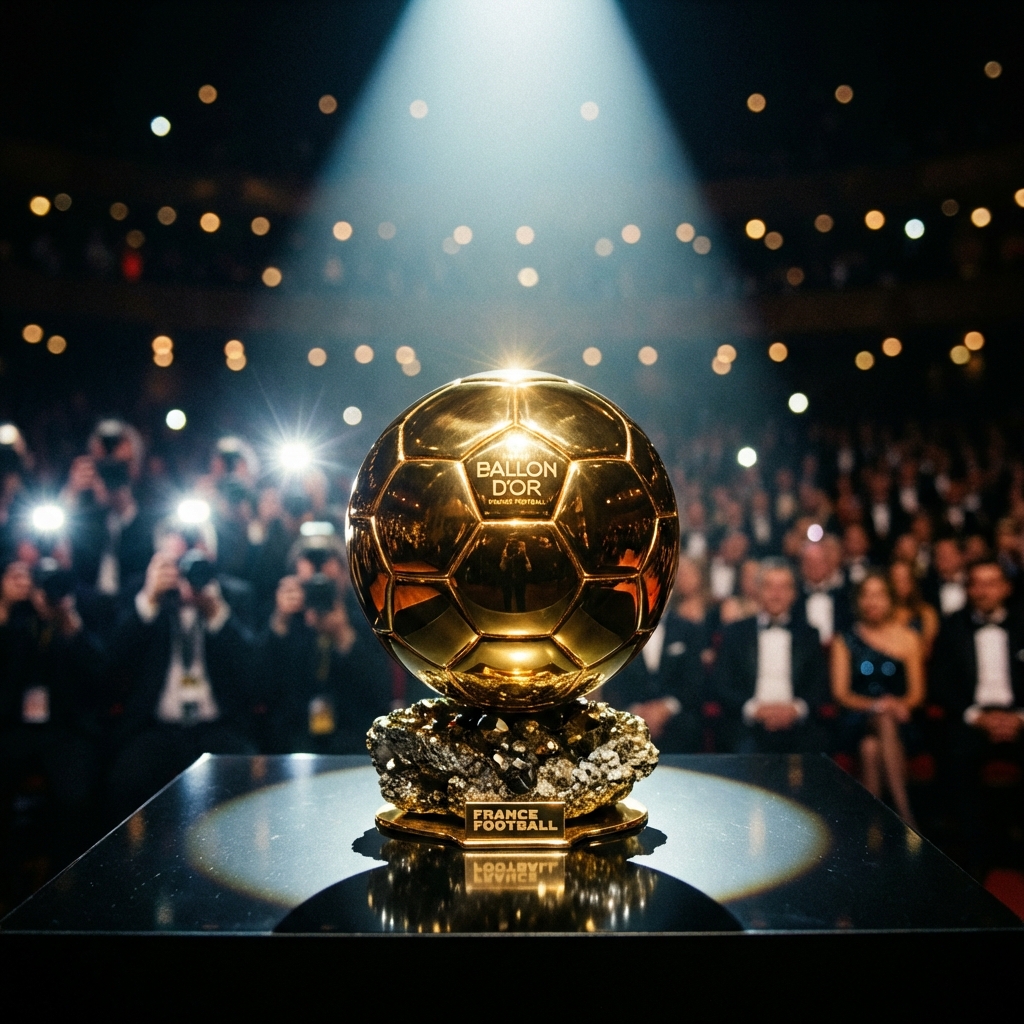
The Ultimate Individual Honor
In a team sport like football, individual awards are often controversial. However, the Ballon d'Or (French for "Golden Ball") stands above all others. Presented annually by France Football magazine since 1956, it is the award that defines who is truly the best in the world. To win a Ballon d'Or is to join the most exclusive club in the history of the sport.
The Origins: A European Concept
The award was the brainchild of sports writer Gabriel Hanot, who asked his colleagues to vote for the best player in Europe in 1956. The inaugural winner was Sir Stanley Matthews of Blackpool, who was 41 years old at the time.
For the first 39 years of its existence, the award was only for European players playing at European clubs. This explains why legends like Pelé and Diego Maradona never won a Ballon d'Or during their playing careers, despite clearly being the best in the world at their peak.
The "Global" Expansion
In 1995, the rules changed to allow players of any nationality to win, provided they played for a European club. The impact was immediate: AC Milan’s Liberian striker George Weah became the first non-European winner that same year. In 2007, the award became truly global, allowing any professional player from any league in the world to be nominated.
The Messi and Ronaldo Era (2008–2023)
The history of the Ballon d'Or will forever be defined by the rivalry between Lionel Messi and Cristiano Ronaldo. For fifteen years, these two players turned the award into a private competition, sharing 13 of the 15 trophies between them.
- Lionel Messi: Holds the all-time record with 8 awards. His 2023 victory, following his World Cup triumph with Argentina, solidified his status as the greatest to ever play the game in the eyes of many voters.
- Cristiano Ronaldo: Won the award 5 times, defined by his relentless goal-scoring and Champions League dominance with Manchester United and Real Madrid.
The only players to break their duopoly during this era were Luka Modrić (2018), who led Croatia to a World Cup final, and Karim Benzema (2022).
How is the Winner Chosen?
The selection process has evolved over time, but currently, it relies on a jury of specialized journalists from the top 100 countries in the FIFA rankings. They judge players based on three main criteria:
- Individual Performance: Statistics (goals, assists) and the "eye test" of their decisive impact during matches.
- Collective Success: Trophies won by their club and national team during the qualifying period.
- Class and Fair Play: The player's behavior and sportsmanship on and off the pitch.
Controversies and Notable Omissions
Because it is a voted award, the Ballon d'Or is never without drama.
- Robert Lewandowski (2020): Many believe the Polish striker was "robbed" when the award was canceled due to the pandemic, despite him winning the treble with Bayern Munich and being the world’s top scorer.
- The Goalkeeper Challenge: Only one goalkeeper has ever won the award—the legendary Lev Yashin in 1963. Since then, even icons like Gianluigi Buffon and Manuel Neuer have finished on the podium but failed to take the trophy home.
Conclusion
The Ballon d'Or is the narrative heartbeat of the football season. While it can never truly resolve the "Who is the GOAT?" debate, it provides a historical record of excellence. As we move into the post-Messi/Ronaldo era, the race for the Golden Ball is more open than it has been in two decades, with youngsters like Jude Bellingham, Erling Haaland, and Kylian Mbappé all vying to be the next to lift the most beautiful trophy in the sport.
Share this guide
Use Data to Win
Now that you understand the stats, see them in action. Check out the best defensive teams in Europe right now.
View Defensive Stats