
Algorithms on the Pitch: The Data Revolution in Football
The End of the "Eye Test" Era
For over a century, football was a game governed by "gut instinct." Scouts would travel thousands of miles to watch a player, relying on their intuition to decide if they had the "right stuff." While the eye test still matters, it is no longer the primary tool for decision-making. We are now firmly in the era of Moneyball 2.0, where every movement on the pitch is tracked, logged, and analyzed by algorithms.
The Metrics That Matter
If you want to understand modern football, you must understand the data behind it.
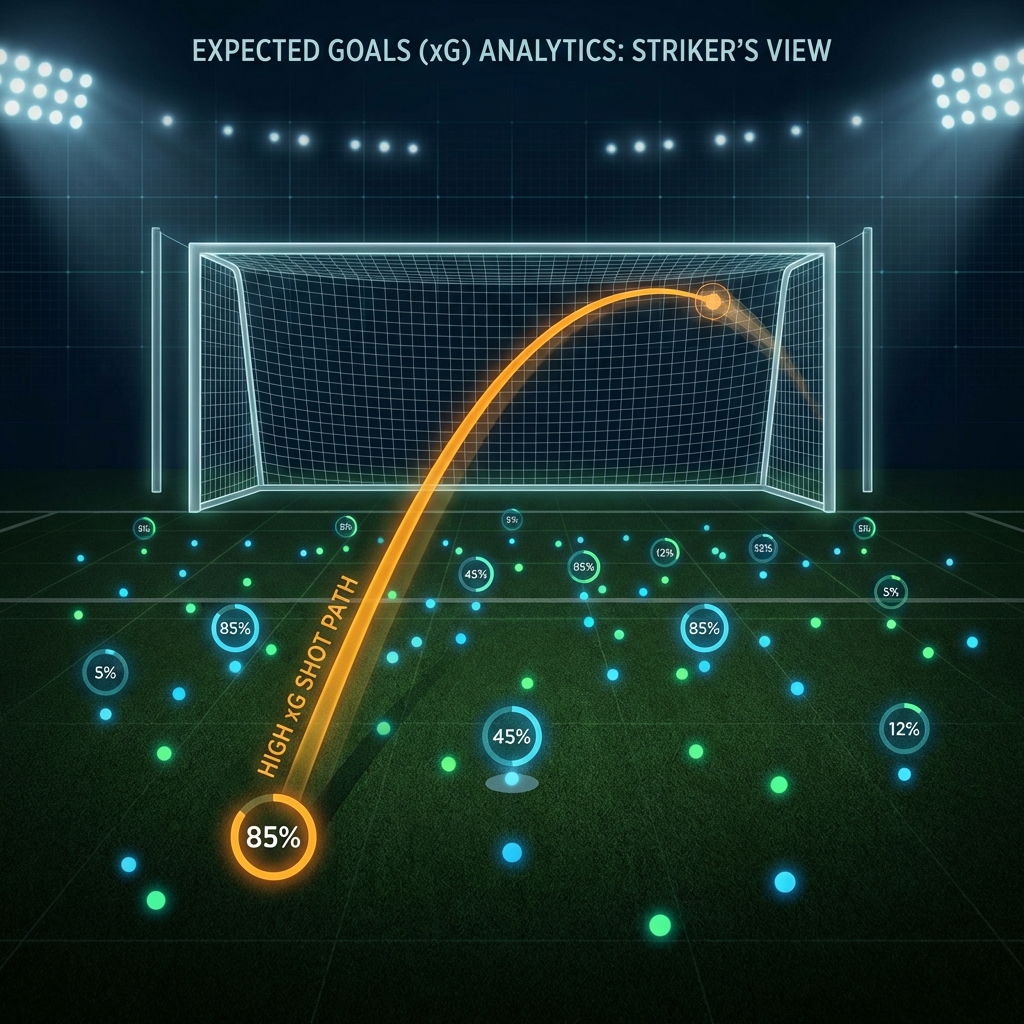
1. Expected Goals (xG)
The most famous of all modern metrics. xG measures the quality of a goalscoring chance based on historical data. It tells us not just how many shots a team took, but how many they "should" have scored. This allows analysts to separate luck from performance.
2. Expected Assists (xA)
Similar to xG, xA measures the quality of a pass that leads to a shot. It rewards playmakers for creating high-quality chances, even if the striker fails to finish them.
3. PPDA (Passes Per Defensive Action)
A key metric for measuring a team's pressing intensity. The lower the PPDA, the more aggressively a team tries to win the ball back from the opposition.
4. Packing Rates
A relatively new metric that counts how many defenders a single pass or dribble takes out of the game. A "long ball" that bypasses six defenders has a high packing rate and is considered extremely valuable.
Recruitment: Finding the Undervalued
The most significant impact of the data revolution is in the transfer market. Clubs like Brighton & Hove Albion, Brentford, and FC Midtjylland have become famous for consistently punching above their weight by finding "undervalued" players using custom algorithms.
Instead of looking for the most famous names, these clubs look for players whose statistical profile suggests they are ready for a higher level. This data-first approach allows them to buy cheap and sell high, maintaining a sustainable model that competes with the world's richest teams.
Tactical Optimization and Preparation
Managers now use data to prepare for specific opponents with surgical precision.
- Heat Maps: Show where a team spends most of its time on the ball, allowing opponents to block those specific zones.
- Pass Networks: Identify the "hub" of an opposition team—the player who touches the ball most often. If you can stop the hub, you can stop the team.
- Set Piece Choreography: Data tells coaches exactly where a goalkeeper is weakest and which zone in a corner is most likely to result in a goal.
The Future: AI and Real-time Tracking
We are now seeing the introduction of AI-driven tactical advice during matches. Coaches on the bench can receive real-time alerts if their defensive line is too high or if a specific player's physical metrics suggest they are reaching a "fatigue red zone," increasing the risk of injury.
Conclusion
The data revolution hasn't made football less romantic; it has made it more understandable. By revealing the hidden patterns of the game, data allows us to appreciate the genius of players and managers in a more profound way. In the modern game, the team with the best algorithm is often the one lifting the trophy.
Share this guide
Use Data to Win
Now that you understand the stats, see them in action. Check out the best defensive teams in Europe right now.
View Defensive Stats