Gegenpressing: The 'Heavy Metal' Football of Jürgen Klopp
The Best Playmaker is the Press
"No playmaker in the world can be as good as a good counter-pressing situation." This famous quote from Jürgen Klopp defines the philosophy of Gegenpressing. While traditional tactics focus on what to do when you have the ball, Gegenpressing focuses on the split-second after you lose the ball.
What is Gegenpressing?
Gegenpressing (German for "Counter-Pressing") is the tactical system where a team, immediately after losing possession, attempts to win the ball back instantly rather than retreating into a defensive shape.
The logic is simple: when a team has just won the ball, they are at their most vulnerable. Their players are moving from defensive positions into attacking ones, leaving gaps in their structure. If you can win the ball back in that precise moment, you are attacking a disorganized defense, which is far more effective than trying to break down a settled one.
The Pillars of the System
- Immediate Reaction: The first three seconds after losing the ball are vital. The team must "swarm" the ball-carrier like a pack of wolves.
- Collective Movement: Pressing only works if everyone does it. If one player doesn't press, it creates an "escape route" for the opposition.
- High Defensive Line: To keep the distance between players small, the defenders must stay high up the pitch, often near the halfway line.
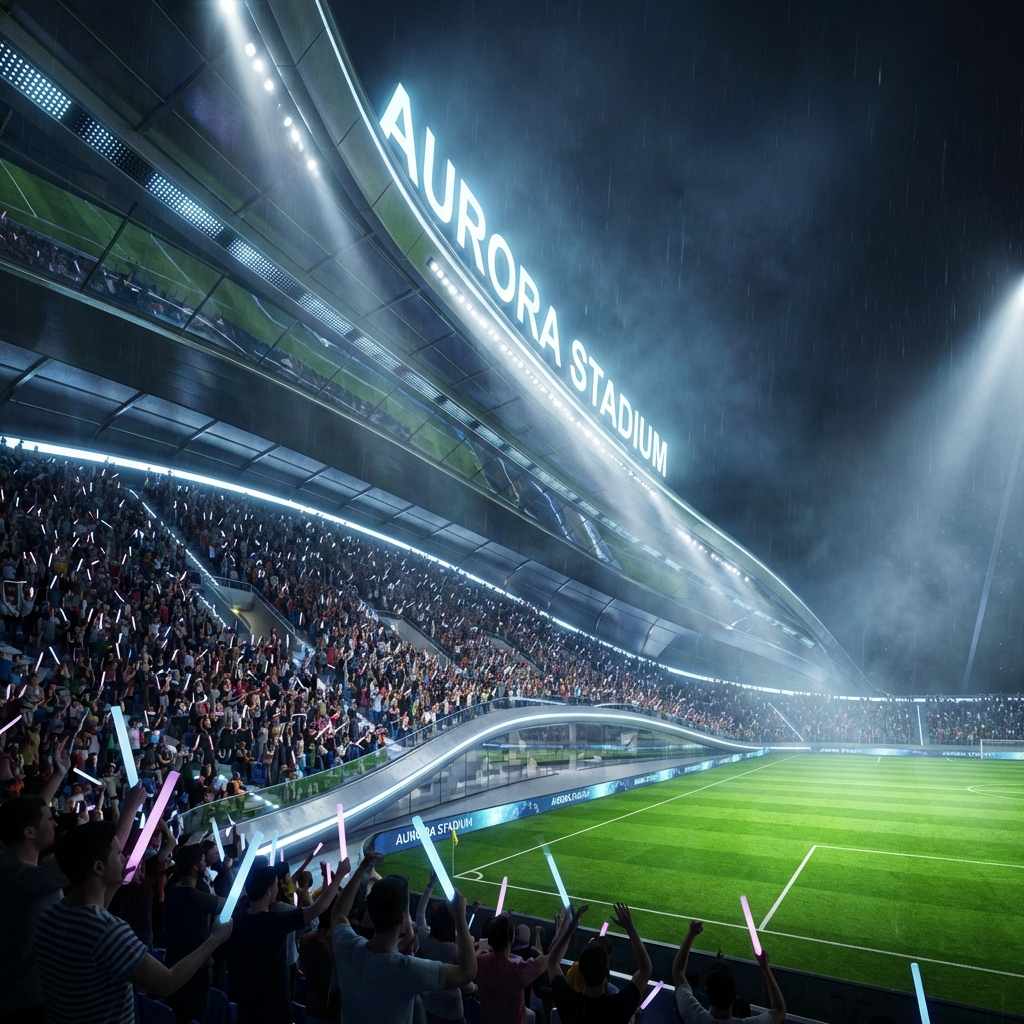
- Physical Fitness: Gegenpressing is exhausting. It requires elite levels of stamina and sprinting capacity. Klopp famously called it "Heavy Metal Football" because of its loud, intense, and relentless nature.
The Origins: Ralf Rangnick and the German School
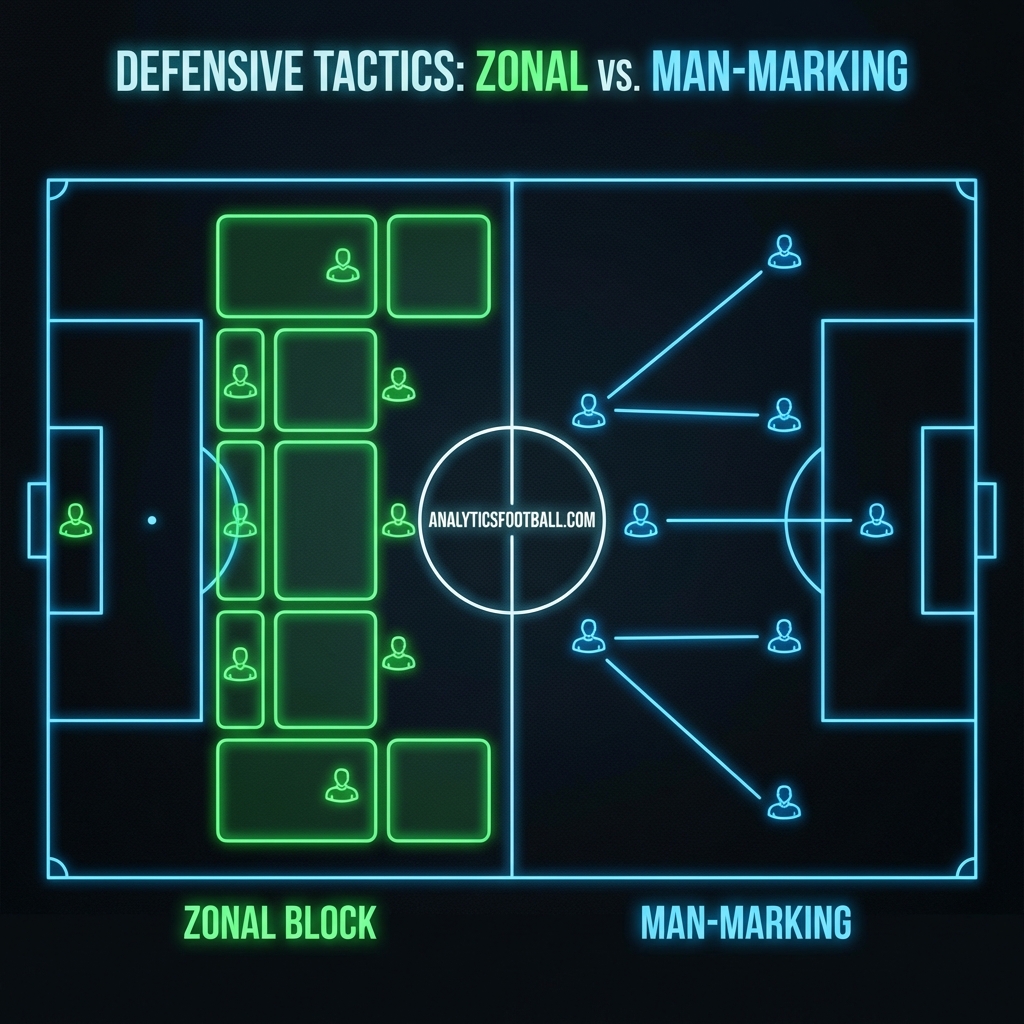
While Klopp made it famous, the "Godfather" of Gegenpressing is Ralf Rangnick. In the late 90s, Rangnick revolutionized German football by moving away from the "Libero" (sweeper) system toward a more aggressive, zonal-marking and pressing style. This influence spread to a generation of German coaches, including Hansi Flick, Thomas Tuchel, and Julian Nagelsmann.
Why It Conquered the World
Gegenpressing was the perfect "antidote" to the slow, possession-based Tiki-Taka. By denying technical teams the time to think and pass, pressing teams could force errors and create high-quality chances from nowhere.
Liverpool's success in the Premier League and Champions League between 2018 and 2022 was built on this foundation. They didn't need to control 70% of the ball; they just needed to control the "moments of transition."
The Evolution: Pressing vs. Resting
Today, the "pure" Gegenpressing of the mid-2010s has been refined. Coaches have realized that you cannot press for 90 minutes every three days without risking massive injury rates. The modern version is more "selective." Teams now use "pressing triggers"—specific signals like a bad touch or a slow sideways pass—to decide when to launch an all-out swarm.
Conclusion
Gegenpressing has fundamentally changed the "rhythm" of modern football. It has made the game faster, more chaotic, and arguably more exciting for the neutral fan. It has turned the defensive phase into an attacking weapon, proving that in football, the best way to move forward is often to refuse to move backward.
Share this guide
Use Data to Win
Now that you understand the stats, see them in action. Check out the best defensive teams in Europe right now.
View Defensive Stats