
MLS Growth: Soccer's Boom in the USA
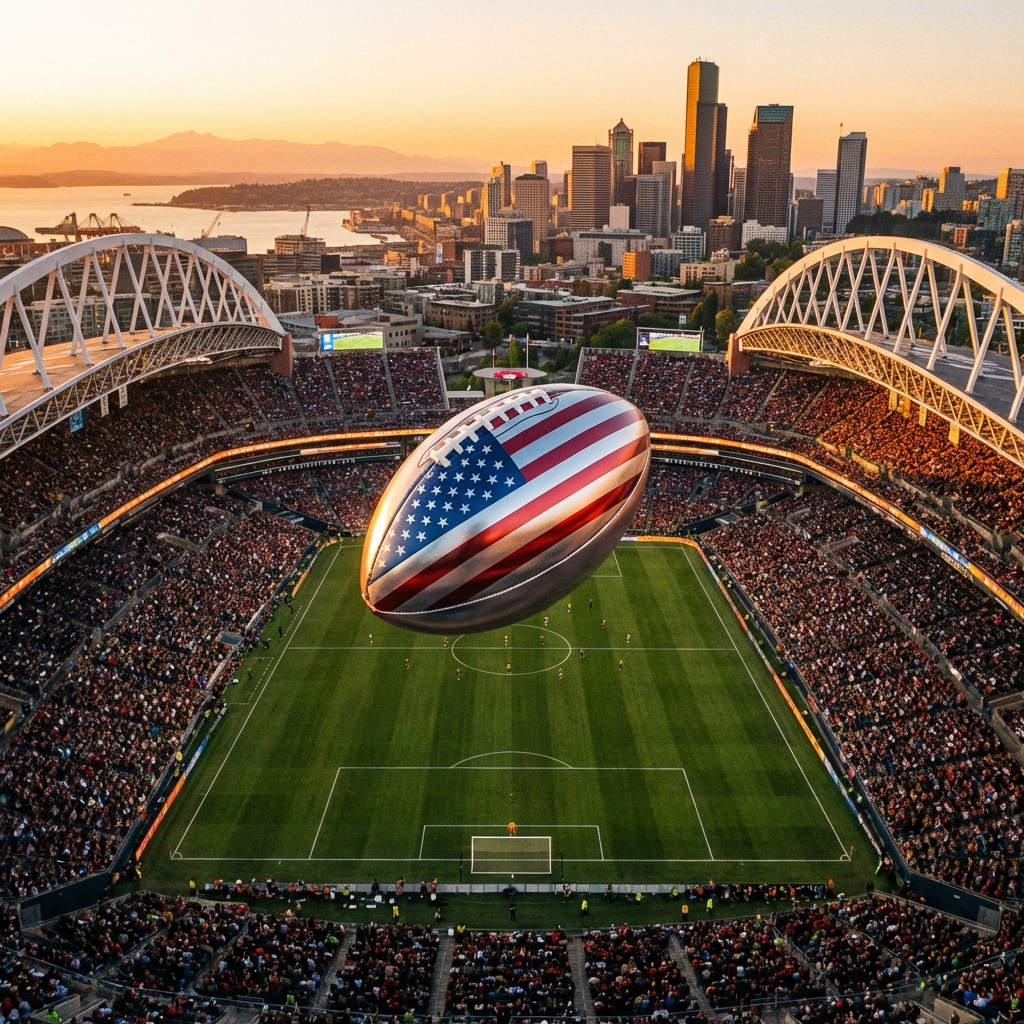
The Transformation of American Soccer
For years, the global football community viewed Major League Soccer (MLS) as a "retirement home" for aging European stars looking for a final payday in the sun. However, the last five years have seen a radical transformation in the league's identity, commercial power, and sporting relevance.
The "Messi Effect": A Global Catalyst
The arrival of Lionel Messi at Inter Miami CF in 2023 was a watershed moment for the sport in North America. Unlike previous superstar arrivals, Messi’s presence feels different because of the timing. He arrived as a reigning World Cup champion, bringing an unprecedented level of global media attention and commercial interest.
Record-Breaking Metrics
The impact of Messi has been quantifiable:
- Apple TV Subscription Growth: The MLS Season Pass on Apple TV saw a massive surge in global subscribers, proving the league's appeal outside US borders.
- Ticket Prices and Attendance: Inter Miami became the hottest ticket in world sports, with secondary market prices rivaling the Super Bowl.
- Brand Value: The valuation of MLS franchises has skyrocketed, with several teams now valued at over $1 billion.
From Importers to Exporters
Perhaps the most significant shift is the league's focus on youth development. MLS is no longer just buying talent; it is creating it.
The Academy Revolution
Billions of dollars have been invested in domestic academies. MLS teams are now regularly selling young American and Canadian talent to Europe’s top clubs for significant transfer fees. The success of players like Alphonso Davies (from Vancouver Whitecaps), Tyler Adams (from NY Red Bulls), and Brenden Aaronson (from Philadelphia Union) has legitimized the MLS pathway as a top-tier development ground.
The Apple TV Partnership: A Digital Blueprint
In a move that surprised many, MLS signed a ten-year, $2.5 billion global media rights deal with Apple. This consolidated all matches into one app with no blackouts—a first for major sports leagues. By moving away from traditional cable TV and embracing a purely digital, global-first strategy, MLS is positioning itself to capture a younger, tech-savvy audience that matches the demographic of the modern soccer fan.
Infrastructure and Expansion
The physical landscape of the sport in the US has also changed. We have moved from teams playing in cavernous, half-empty NFL stadiums to sleek, soccer-specific stadiums in urban centers.
- Atmosphere: New stadia like Austin FC's Q2 Stadium or LAFC's BMO Stadium provide an intimate, high-energy atmosphere that rivals European counterparts.
- Market Depth: With the addition of teams in cities like St. Louis and San Diego, the league is reaching its target of 30 franchises, covering almost every major metropolitan area in the United States.
The 2026 World Cup: The Ultimate Goal
Everything in American soccer is currently building toward the 2026 FIFA World Cup, to be co-hosted by the USA, Canada, and Mexico. This tournament is expected to be the largest and most profitable in history.
For MLS, the World Cup represents a once-in-a-generation opportunity to convert casual viewers into permanent fans of the domestic league. The goal is to move soccer from the fourth or fifth most popular sport in the US to the top three, competing directly with the NBA and MLB for cultural dominance.
Conclusion
The "retirement league" label is officially dead. Through a combination of savvy digital disruption, a renewed focus on youth development, and the singular magnetism of Lionel Messi, Major League Soccer has become one of the most exciting growth stories in the world of sports. As the 2026 World Cup approaches, the eyes of the footballing world will remain firmly fixed on the United States.
Share this guide
Use Data to Win
Now that you understand the stats, see them in action. Check out the best defensive teams in Europe right now.
View Defensive Stats