
Modern Cathedrals: The Evolution of Stadium Design
More Than Just a Pitch
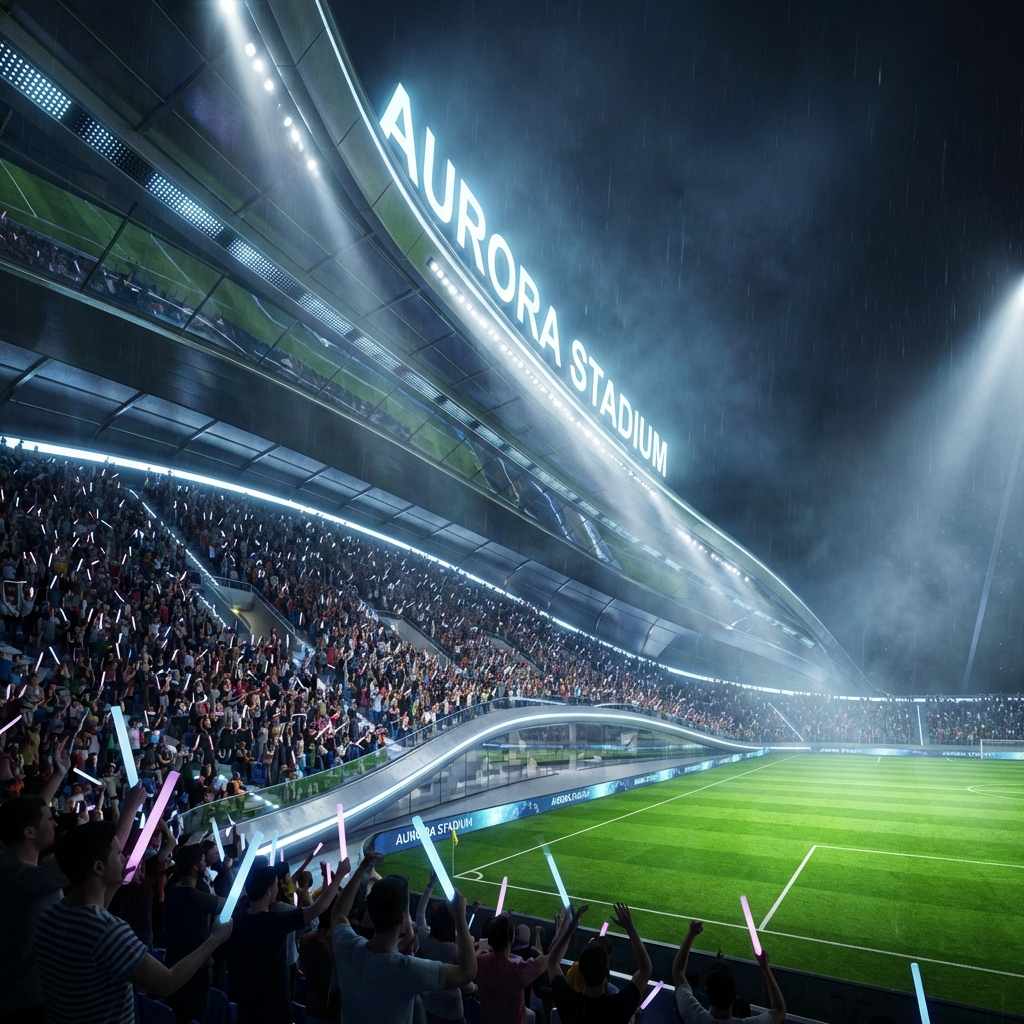
For a football fan, the stadium is a sacred space—a cathedral of emotion and memory. But for the modern football club, the stadium is a high-tech revenue engine. We have moved from the era of simple "grounds" with standing terraces to billion-dollar architectural marvels that serve as 365-day hubs for entertainment, business, and community.
The Shift from Standing to Seating
The biggest change in stadium history came in the 1990s following the Taylor Report. After the tragic Hillsborough disaster in 1989, all major English stadiums were required to become all-seater. This changed the demographics of the crowd and allowed clubs to dramatically increase "Hospitality" revenue (VIP boxes and premium seating), which now accounts for a massive percentage of many clubs' matchday income.
The "Blueprint" of the Modern Arena
Today’s most successful stadiums, like the Tottenham Hotspur Stadium or the Santiago Bernabéu renovation, share several key architectural features:
1. Acoustic Engineering
Architecture is no longer just about vision; it is about sound. Designers now use specialized roof shapes and materials to "bounce" the noise of the fans back onto the pitch, creating an intimidating wall of sound for the opposition.
2. Retractable Pitches
To be financially viable, a stadium can no longer sit empty for 340 days a year. The Tottenham Hotspur Stadium features a world-first retractable pitch that slides away in sections to reveal an artificial surface underneath for NFL matches and concerts. This allows the stadium to generate revenue every single day.
3. Proximity to the Pitch
While older "Olympic-style" stadiums featured running tracks that kept fans far from the action, modern design prioritizes putting the fans as close to the touchline as possible. This creates a more intense "theatrical" experience and improves the broadcast product for television viewers.
4. Digital Integration
The "Smart Stadium" is the new standard. This includes high-density Wi-Fi for 60,000 people, cashless payment systems, and even "just-walk-out" technology for food and beverage stalls to minimize halftime queues.
The Sustainability Revolution
As the world focuses on climate change, stadium design is becoming "green."
- Eco-Power: The restructured Camp Nou and several Bundesliga stadiums use solar panels on their roofs to generate their own electricity.
- Recycled Materials: Forest Green Rovers (an English lower-league side) is building a stadium entirely out of sustainably sourced wood—the first of its kind in the world.
The Iconography of Architecture
A stadium is also a branding tool. The "glistening" exterior of the Allianz Arena in Munich, which changes color depending on which team is playing, has become a global icon. Similarly, the unique "bowl" shape of the Lusail Stadium in Qatar became the face of the 2022 World Cup. These stadiums aren't just buildings; they are landmarks that define the identity of their cities.
The Future: The Virtual Stadium
We are now entering the era of the "Digital Twin." Using Metaverse technology, clubs like Manchester City are building virtual versions of their stadiums, allowing fans from India, China, or Brazil to "sit" in the stands using VR headsets and experience the atmosphere of a live match in real-time from thousands of miles away.
Conclusion
Stadium design is at the intersection of sport, art, and high-stakes business. While the soul of the stadium will always be the fans and the match, the architecture surrounding them has become a masterpiece of engineering. These modern cathedrals are designed to be sustainable, profitable, and technologically advanced, ensuring that the beautiful game has a home fit for the 21st century.
Share this guide
Use Data to Win
Now that you understand the stats, see them in action. Check out the best defensive teams in Europe right now.
View Defensive Stats