
The VAR Revolution: Analyzing Video Assistant Referees
The Birth of a New Era
In 2018, the world of football changed forever. After decades of resistance to technology, FIFA officially introduced the Video Assistant Referee (VAR) to the World Cup. The goal was simple: "Maximum benefit, minimum interference." The hope was that VAR would end the days of obvious errors like Maradona’s "Hand of God" or Thierry Henry’s handball against Ireland.
But while VAR has made the game more accurate, it has also become the most controversial and divisive topic in the sport's history.
How the VAR Protocol Works
Contrary to popular belief, the VAR cannot intervene in every decision. They are limited to four "game-changing" situations:
- Goals/No Goals: Checking for fouls, offsides, or the ball going out of play in the build-up.
- Penalty Decisions: Confirming if a foul was inside the box or if it was a "dive."
- Direct Red Cards: Only for potential red card offenses (not for second yellow cards).
- Mistaken Identity: Ensuring the referee hasn't sent off the wrong player.
The Process: Check vs. Review
- The Check: The VAR team in a remote studio (or truck) "checks" every relevant incident in the background. If they see nothing wrong, the game continues.
- The Recommendation: If they see a "clear and obvious error," they suggest the referee watch the replay.
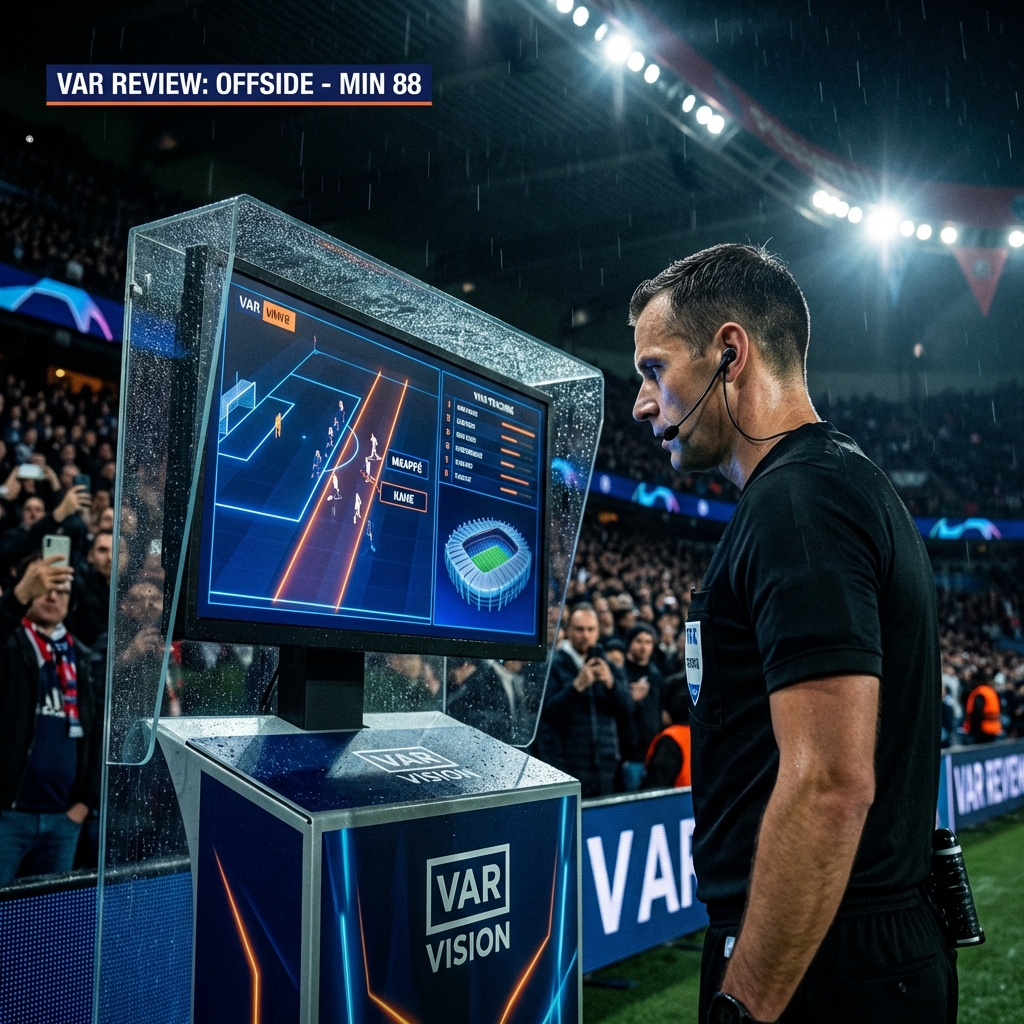
- On-Field Review (OFR): The referee goes to the pitch-side monitor to see the footage. Crucially, the final decision always remains with the referee on the pitch, not the VAR studio.
The Successes: Accuracy is Up
Statistically, VAR has been a massive success.
- Correct Decisions: In the Premier League and the Champions League, the percentage of "key match incidents" called correctly has risen from approximately 82% to over 96%.
- End of "Glaring" Errors: We no longer see goals scored from two yards offside or blatant handballs that the referee simply missed.
The Criticisms: The Human Cost
If the game is more accurate, why do so many fans hate it?
- The Delay: The average VAR review takes over 80 seconds. In a high-speed sport like football, this "dead time" kills the momentum and frustrates the fans in the stadium who often don't know what is being checked.
- The Loss of Spontaneity: Fans now hesitate to celebrate a goal, waiting for the "VAR thumbs up" before they dare to cheer. This is the "killjoy" effect of the technology.
- "Clear and Obvious" Ambiguity: The term "clear and obvious" is subjective. What one VAR thinks is a foul, another might think is "soft." This has led to a lack of consistency that drives players and managers crazy.
The Future: Semi-Automated Clarity
To solve the delay and the "human error" of drawing lines, football is moving toward Semi-Automated Technology. Just as Goal-Line Technology works instantly, semi-automated systems for offside and contact are being tested to provide answers in seconds rather than minutes.
Conclusion
VAR is here to stay. There is no going back to a world where we let obvious mistakes stand while we have the technology to fix them. However, the next decade of football will be focused on "polishing" the process—making it faster, more transparent for fans in the stadium, and ensuring it only interferes when absolutely necessary. The goal is to return the spotlight to the players, leaving the technology as a silent, invisible safety net.
Share this guide
Use Data to Win
Now that you understand the stats, see them in action. Check out the best defensive teams in Europe right now.
View Defensive Stats