
The Most Coveted Prize: A History of the World Cup Trophy
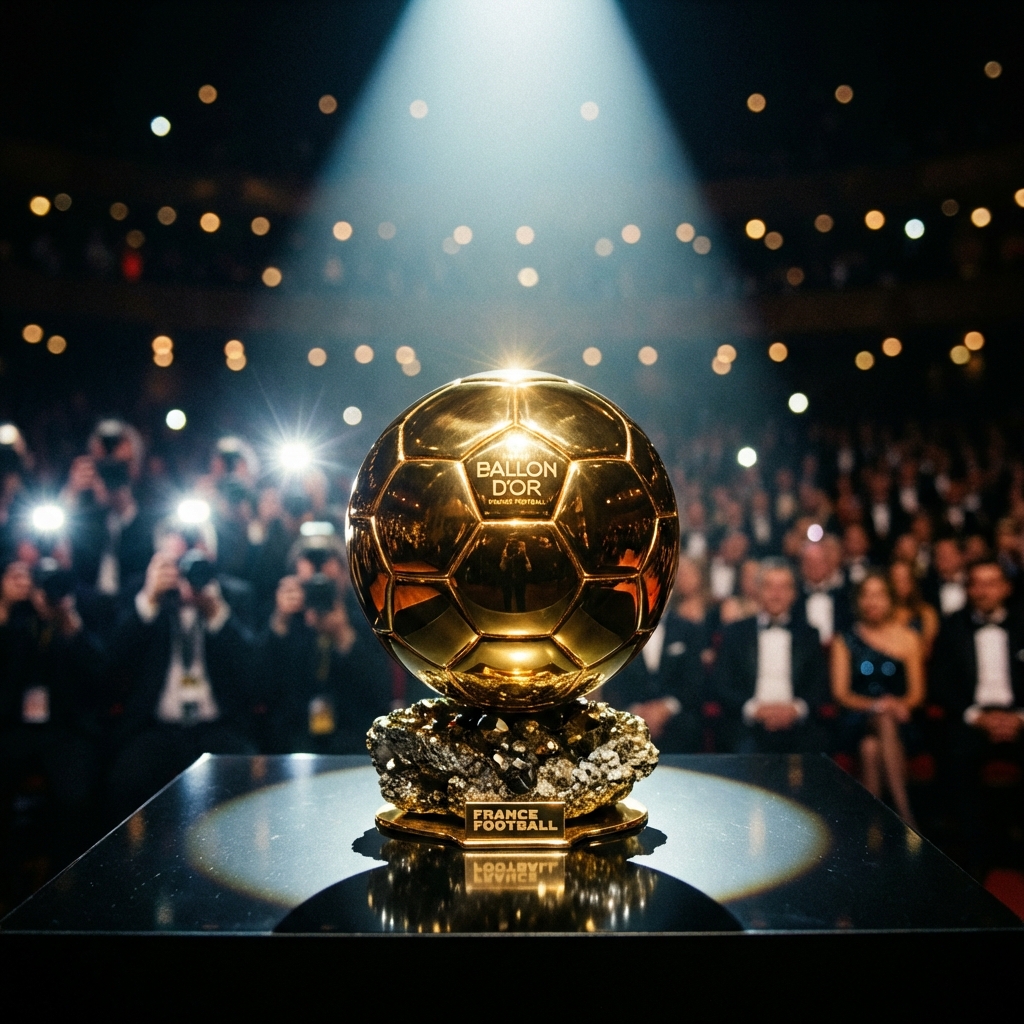
The Symbol of Global Immortality
There is no object in sports more recognizable or more valuable than the FIFA World Cup Trophy. It is not just a piece of precious metal; it is the ultimate symbol of national pride and individual achievement. But the trophy we see today hasn't always been the one that captains hoisted into the air. The history of the World Cup prize is a story of art, tradition, and even international crime.
1. The Jules Rimet Trophy (1930–1970)
The original trophy was named the "Victory" trophy, but in 1946 it was renamed in honor of Jules Rimet, the FIFA President who founded the tournament.
The Design
Designed by French sculptor Abel Lafleur, it featured a gold-plated sterling silver figure of Nike, the Greek goddess of victory, holding an octagonal cup. It stood 35cm high and weighed 3.8kg.
The "Permanent" Rule
FIFA rules at the time stated that any nation that won the World Cup three times would get to keep the trophy forever. In 1970, Brazil achieved their third victory (led by Pelé), and the Jules Rimet was sent to Rio de Janeiro permanently.
The Great Heists
The Jules Rimet was famously stolen twice.
- 1966 (London): Stolen while on display just months before the tournament. It was found seven days later by a dog named Pickles in a suburban garden.
- 1983 (Rio de Janeiro): Stolen from the Brazilian Football Confederation's headquarters. Sadly, it was never recovered and is believed to have been melted down for its gold. Brazil now keeps a replica.
2. The Current FIFA World Cup Trophy (1974–Present)
After Brazil kept the original, FIFA commissioned a new design for the 1974 tournament. They chose a design by Italian artist Silvio Gazzaniga.
The Design: Two Athletes Lifting the World
Gazzaniga described his creation as: "The lines spring out from the base, rising in spirals, stretching out to receive the world. Two athletes at the moment of victory."
Specifications
- Material: 18-carat solid gold.
- Height: 36.8cm.
- Weight: 6.175kg.
- Base: Features two layers of semi-precious malachite.
The Mystery of the Gold: Is It Hollow?
There has been much debate about whether the trophy is solid or hollow. If it were truly solid 18k gold at that size, it would weigh approximately 70-80kg—far too heavy for a player to lift over their head like Lionel Messi did in 2022. Analysts conclude that while the gold is genuine, the trophy must be hollow inside to allow for its 6kg weight.
The Security and Protocol
Unlike the original Jules Rimet, the current trophy can never be won outright. The winning team only gets to hold the genuine trophy for the celebration on the pitch. Immediately afterward, it is taken back by FIFA, and the team is given a gold-plated bronze replica to keep.
The original is kept at the FIFA World Football Museum in Zurich and is only brought out for the World Cup draw and the final match. It travels in a custom-made Louis Vuitton case and must only be touched by World Cup winners and Heads of State.
Conclusion
The World Cup trophy is more than the sum of its 18-carat gold parts. It is a vessel for the dreams of billions. From the goddess Nike to Gazzaniga’s triumphant athletes, the trophy has evolved alongside the game, becoming a global icon that signifies the very pinnacle of human sporting endeavor. Every four years, the world stops to see who will be the next to add their name to its base.
Share this guide
Use Data to Win
Now that you understand the stats, see them in action. Check out the best defensive teams in Europe right now.
View Defensive Stats